
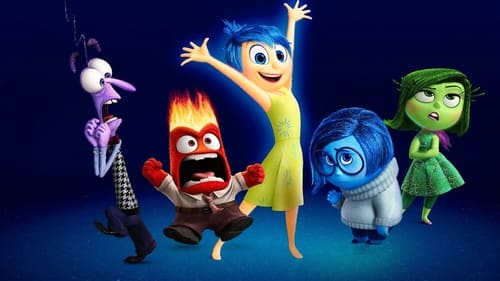
2015-2016: Inside Out and 21 more
The films of 2015 and 2016. Mad Max: Fury Road, Avengers: Age of Ultron, Captain America: Civil War and more.

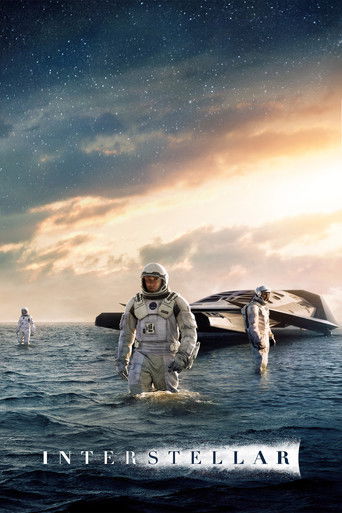
Interstellar (2014)
The adventures of a group of explorers who make use of a newly discovered wormhole to surpass the limitations on human space travel and conquer the vast distances involved in an interstellar voyage.
Adventure | 169 min.
▶ Watch Movie Now!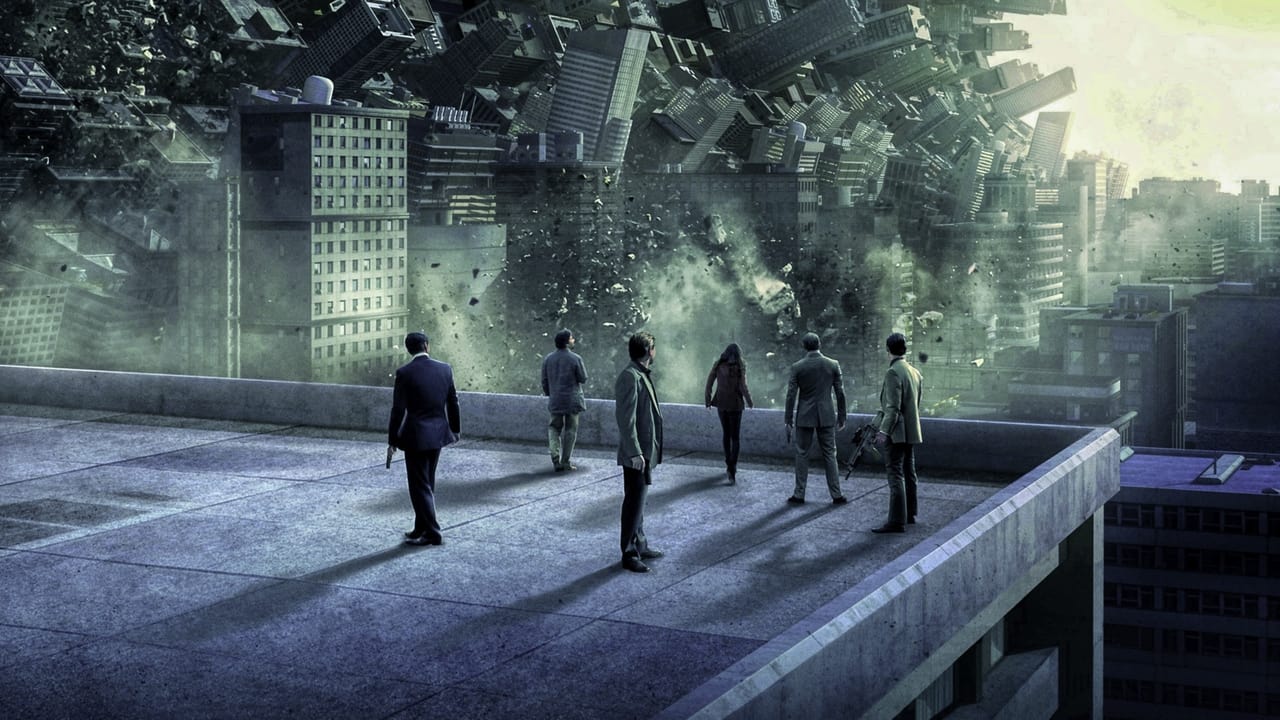
Inception (2010)
Cobb, a skilled thief who commits corporate espionage by infiltrating the subconscious of his targets is offered a chance to regain his old life as payment for a task considered to be impossible: "inception", the implant…
Action | 148 min.
▶ Watch Movie Now!
The Martian (2015)
During a manned mission to Mars, Astronaut Mark Watney is presumed dead after a fierce storm and left behind by his crew. But Watney has survived and finds himself stranded and alone on the hostile planet. With only meag…
Science Fiction | 141 min.
▶ Watch Movie Now!
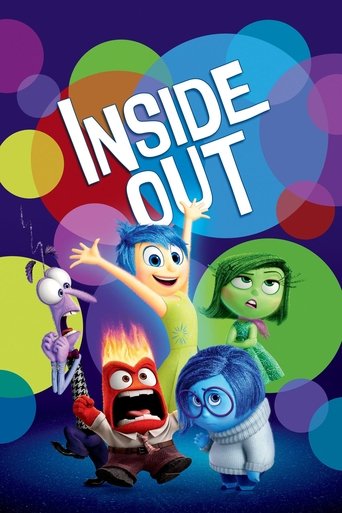
Inside Out (2015)
When 11-year-old Riley moves to a new city, her Emotions team up to help her through the transition. Joy, Fear, Anger, Disgust and Sadness work together, but when Joy and Sadness get lost, they must journey through unfam…
Animation | 95 min.
▶ Watch Movie Now!
Mad Max: Fury Road (2015)
An apocalyptic story set in the furthest reaches of our planet, in a stark desert landscape where humanity is broken, and most everyone is crazed fighting for the necessities of life. Within this world exist two rebels o…
Action | 121 min.
▶ Watch Movie Now!The most popular films of 2000 to 2016, year by year and genre by genre, with top-rated classics, animation, horror and the latest releases. Every film has a Watch now button that opens it on the official services in your country.



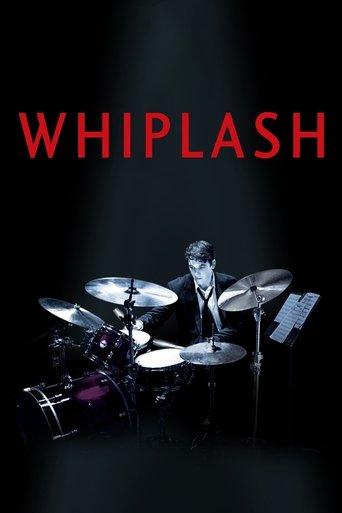

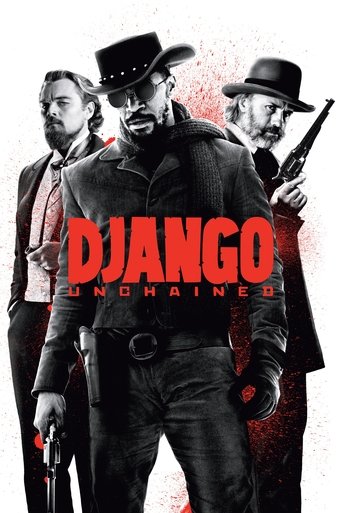
The films of 2015 and 2016. Mad Max: Fury Road, Avengers: Age of Ultron, Captain America: Civil War and more.

The films of 2013 and 2014. The Imitation Game, The Conjuring, The Hunger Games: Mockingjay - Part 1 and more.
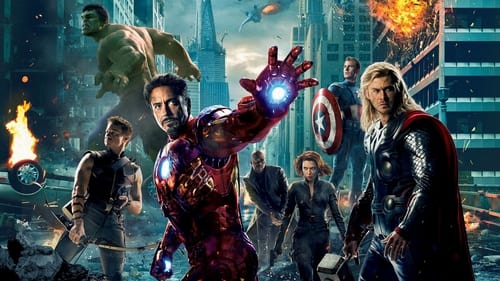
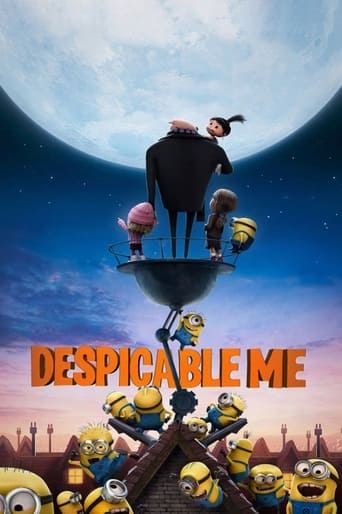
The films of 2010 to 2012. Despicable Me, Inception, Iron Man 2 and more.
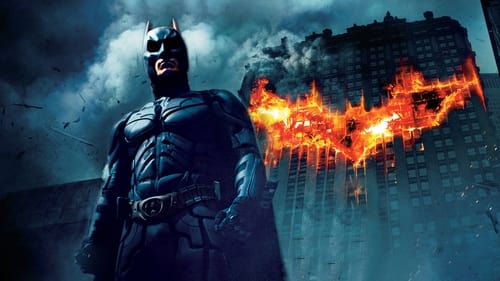
The films of 2005 to 2009. Avatar, Harry Potter and the Goblet of Fire, Kingdom of Heaven and more.
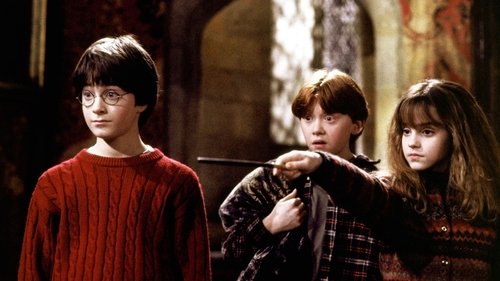
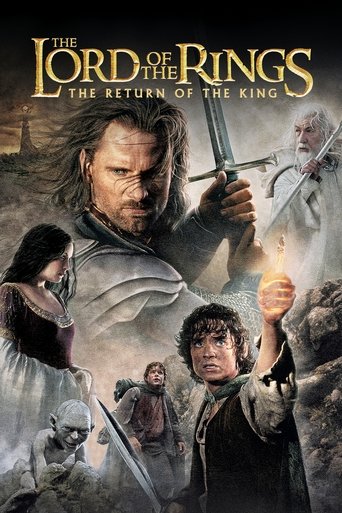
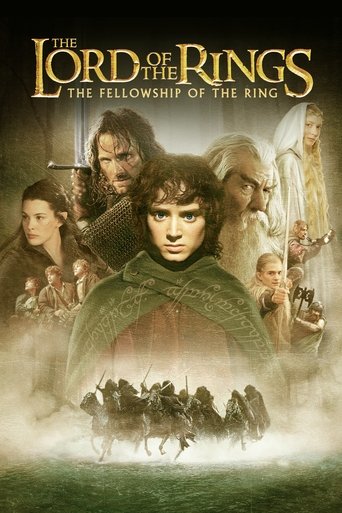
The films of 2000 to 2004. The Lord of the Rings: The Return of the King, The Lord of the Rings: The Fellowship of the Ring, Harry Potter and the Chamber of Secrets and more.
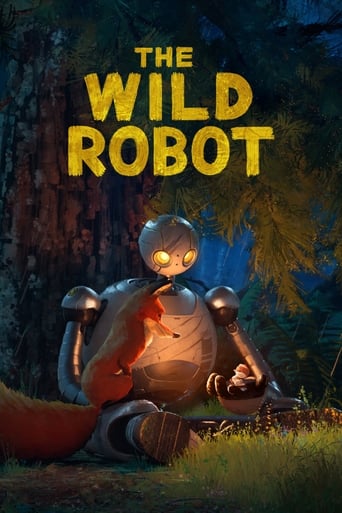
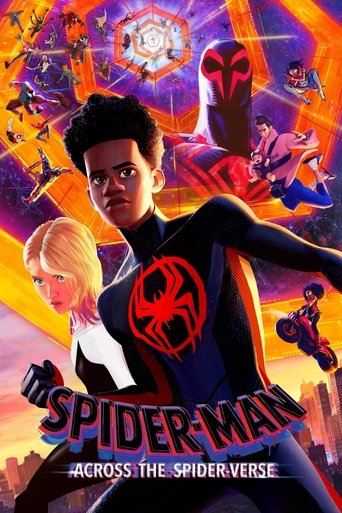
Animated films. The Wild Robot, Despicable Me, Spider-Man: Across the Spider-Verse and more.

Horror films. The Conjuring, Coraline, The Conjuring 2 and more.
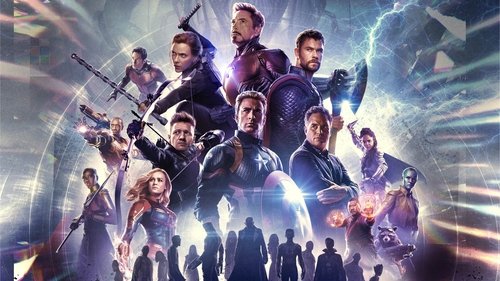
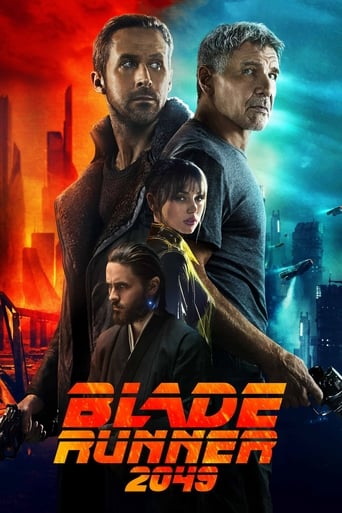
Science fiction. Project Hail Mary, Avengers: Infinity War, Blade Runner 2049 and more.
Niter TV was one of the film sites people bookmarked in the middle of the 2010s, and it was easy to see why. Its home page opened on a full-width film still, with the title in big white letters, a short plot and a button inviting you to watch, and a row of five posters sat along the bottom of the picture like a shelf of DVDs. Click a poster and the whole backdrop changed. That design returns here, measured from the site's own archived style sheets: a translucent dark navbar with a grey rule, a cinematic backdrop, captioned posters, serif tabs, a news column and an In Theaters Now sidebar, all in the cool "asbestos" grey the site chose as its colour. Every film now opens on the official services that carry it, through one Watch now button.
This guide walks through Niter TV from top to bottom. The first part tours the page: the navbar, the backdrop, the poster strip, the tabs, the news column, the sidebar and the film pages. The second part walks the years, from 2000 to 2016, and the great franchises of that era. The third part covers the genres: animation, family, horror, science fiction, comedy and drama, with the top-rated classics and the recent releases. The last part is practical: where the films play, free viewing, devices, My List, the official address and staying safe. The short version is the page on how to watch on Niter TV.
The design comes from niter.co as archived in January 2016, when the site called itself Niter TV. It ran on Bootstrap 3 with two style sheets of its own. The first set the layout: a navbar sixty pixels tall in a dark grey at ninety per cent opacity, a jumbotron with a cover-sized backdrop and a soft shadow along its lower edge, posters with light grey captions boxed in a thin border, headings in uppercase with a rule above and below, and a charcoal footer. The second, named asbestos.css after a grey from the popular Flat UI palette, set the colours: #7F8C8D for rules, buttons and accents, a warm red #E74C3C on hover, a bright blue #5E9EFF for menu links on hover and a deeper red #C0392B for action buttons.
Niter TV today keeps all of that. The grey is deepened a little wherever it colours small text on white, so words stay sharp, and Lato and Source Sans stand in for the original fonts, as they did on the archived page.
The heart of the home page is the backdrop, a full-width still from a featured film. A soft gradient darkens its left side, and there sit the film's title and year in large white letters with a shadow, the first lines of the plot, a details line with the genre and running time, and a ghost button reading Watch Movie Now! with a white outline. Point at the button and it fills with deep red. The button opens the film page, where the Watch now panel waits.
The featured films change as the catalogue changes, and they are chosen for their backdrops as much as their stories: the dust of a Martian plain, the frozen waves of a distant planet, the chrome and fire of a desert road. They make the page feel like the lobby of a cinema.
Along the bottom of the backdrop runs a strip of five posters, each with a white edge and a light grey caption box underneath, as on the archived site. Click a poster and the backdrop changes to that film, with its title, plot and button. The poster you are viewing is framed in red. The strip works with the keyboard too: move to it and use the arrow keys to switch.
On a phone the backdrop shows its image at full width with the text below it on a dark band, and the strip sits underneath, so every film stays easy to pick with a thumb.
Below the backdrop and a short welcome panel come the tabs, set in a classic serif as they were on the archived page: Releases, Most Popular and Top Rated. The chosen tab looks like a raised card with a thin border, and the others sit flat beside it. Releases shows the most popular recent films, Most Popular shows the films most watched across the whole catalogue, and Top Rated shows the films with the highest scores.
Each tab holds twelve posters, two rows of six on a wide screen, each with its grey caption box holding the title, the year and the score. Point at a poster and a dark veil with a white play circle appears.
The archived Niter TV ran a Latest News column with film stories, each with a picture on the left and a headline, a few lines of text and a Read Full Article link on the right. Today the column carries news of the catalogue itself: one item for each period and for the big genre shelves, with a backdrop picture, a headline naming the shelf's most popular film and its size, a line naming a few more highlights, and a link to open the list. It is a handy tour of the site in eight short stories.
Every section on Niter TV opens with the site's bordered heading: uppercase letters between two thin grey rules, with a short thick bar of asbestos grey sitting on the upper rule. It is one of the most distinctive details of the original design. Below the news come the list of every shelf with its film count, the help list and this guide.
Every poster opens a film page. The backdrop runs across the top with the poster, the title and a row of facts: the year, the running time and the genres. The story follows, then the Watch now and Add to My List buttons, then a table with the original title, the release date, the language, the country, the studio and the score. The cast is listed with character names, then the director and writers, and a row of similar films closes the page.
The Watch now button opens a small panel with a list of countries. Pick yours and the film opens on JustWatch, which shows every subscription, rental, purchase and free service carrying it there. Your country is remembered for the next film.
Niter TV sorts its films into sixteen shelves. Six follow time: 2000-2004, 2005-2009, 2010-2012, 2013-2014, 2015-2016 and Releases, the films of 2017 onward. One gathers the highest scores: Top Rated. Nine follow genre: Action, Adventure, Animation, Comedy, Drama, Family, Horror, Science Fiction and Fantasy. The original site offered the same two routes, a Years menu and a Genres menu, and most films sit on several shelves at once.
The finding a film page lists every route to a title, from the search box to the A-Z page.
The guide to the films of 2000 to 2016 gives the short version. This part of the guide walks through each period in more depth. The original Niter TV had a Years menu running from 2015 back to the early 2000s, and the era it covered is one of the richest in popular cinema: the years when digital effects came of age, when the great fantasy sagas reached the screen and when Pixar and the superhero film were at their height.
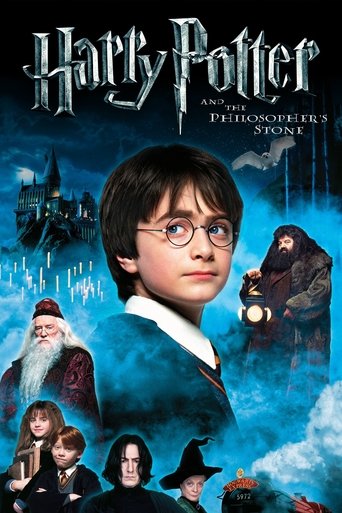
The century opened with Gladiator, Ridley Scott's epic of a Roman general who becomes a gladiator and challenges an emperor. It won the Academy Award for Best Picture and brought the sword-and-sandal epic back to life. A year later came The Lord of the Rings: The Fellowship of the Ring and Harry Potter and the Philosopher's Stone, the first chapters of two sagas that would shape the decade.
Spider-Man launched the modern superhero film in 2002, with Tobey Maguire swinging through New York, and Pirates of the Caribbean: The Curse of the Black Pearl made Johnny Depp's Captain Jack Sparrow an instant icon. Pixar gave us Monsters, Inc., Finding Nemo and The Incredibles, and DreamWorks answered with Shrek. Ocean's Eleven was the coolest heist of the era, and Catch Me If You Can told the true story of a young con man and the FBI agent on his trail.
The same years brought Kill Bill: Vol. 1, Quentin Tarantino's stylish revenge story, 28 Days Later, which gave zombies new speed, Shaun of the Dead, which gave them laughs, and I, Robot, a science-fiction thriller with Will Smith. Troy retold the Trojan War, Mean Girls became one of the most quoted comedies ever made and Lilo & Stitch charmed families with its Hawaiian heart.
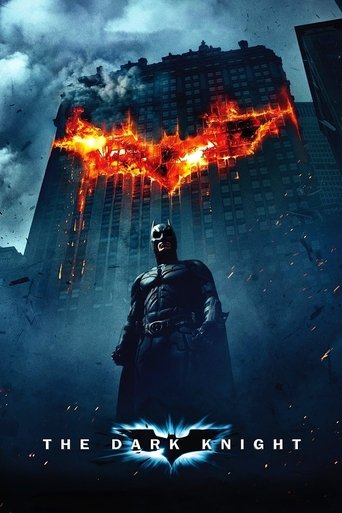
The second half of the decade belonged to Christopher Nolan and Batman. Batman Begins rebuilt the hero from the ground up, and The Dark Knight followed with Heath Ledger's Joker and one of the most admired blockbusters ever made. Between them came The Prestige, a tale of two rival magicians full of secrets.
Pixar produced some of its finest work in these years: Cars, Ratatouille, WALL·E and Up, whose opening minutes are among the most moving in animation. Kung Fu Panda began a much-loved series, Corpse Bride and Coraline showed the magic of stop-motion, and Monster House gave children a spooky adventure.
Iron Man launched the Marvel Cinematic Universe in 2008, The Incredible Hulk followed, and Avatar closed the decade by becoming the most successful film in history at the time. The Departed won Martin Scorsese his Academy Award, No Country for Old Men won Best Picture for the Coen brothers, and Inglourious Basterds rewrote history with Tarantino's usual daring. For lighter evenings, The Devil Wears Prada, Pride & Prejudice, The Proposal and Charlie and the Chocolate Factory are all here.
The 2010s began with Inception, in which a team of thieves plants an idea deep inside a man's dreams, and Toy Story 3, which brought Woody and Buzz to a moving farewell with their owner Andy. The King's Speech won Best Picture for its story of a king overcoming a stammer with the help of an inventive, plain-speaking speech therapist. Shutter Island took Leonardo DiCaprio to a mysterious island hospital.
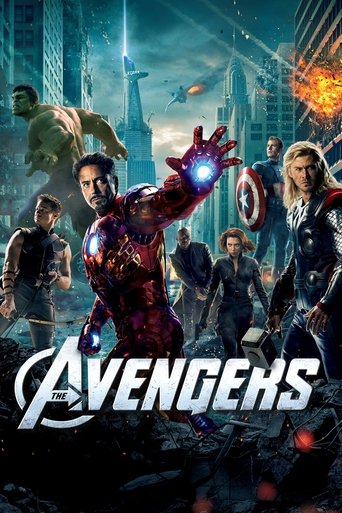
The Harry Potter saga ended with Harry Potter and the Deathly Hallows: Part 1 and Harry Potter and the Deathly Hallows: Part 2, and Marvel brought its heroes together in The Avengers, after Iron Man 2 and Thor set the stage. The Dark Knight Rises closed Nolan's trilogy, and The Amazing Spider-Man began a new take on the web-slinger.
Family audiences had Despicable Me, which introduced the Minions, Tangled, How to Train Your Dragon, Brave, The Lorax and Madagascar 3: Europe's Most Wanted. Real Steel mixed boxing robots with a father-and-son story, and Django Unchained set a Tarantino western in the pre-war South.
Frozen became a worldwide phenomenon in 2013, and its song about letting go was sung in playgrounds everywhere. Interstellar sent Matthew McConaughey through a wormhole in search of a new home for humanity, with a soundtrack by Hans Zimmer that still gives audiences chills. Big-screen spectacle came in many forms: Pacific Rim set giant robots against sea monsters, and World War Z sent Brad Pitt around the globe to stop a pandemic.
The Hunger Games series reached its height with The Hunger Games: Catching Fire, and The Hobbit trilogy continued with The Hobbit: The Desolation of Smaug and The Hobbit: The Battle of the Five Armies. X-Men: Days of Future Past brought two generations of mutants together, and Big Hero 6 won the Academy Award for Best Animated Feature. Whiplash and The Imitation Game were the acclaimed dramas of 2014, and The Maze Runner launched a popular young-adult series.
Mad Max: Fury Road roared into 2015 as a two-hour chase across the desert and won six Academy Awards. The Martian stranded Matt Damon on Mars with only his wits and a crop of potatoes, Inside Out took us inside the mind of a young girl, and The Revenant finally won Leonardo DiCaprio his Oscar. Kingsman: The Secret Service gave the spy film a colourful twist.
2016 brought Zootopia, a clever animated detective story, Arrival, a thoughtful science-fiction film about learning an alien language, and La La Land, a musical love letter to Los Angeles. Hidden Figures told the true story of the African-American mathematicians behind NASA's early space flights, Hacksaw Ridge followed a medic who served at Okinawa armed only with his faith, and Captain America: Civil War set the Avengers against one another. Doctor Strange opened the door to Marvel's mystic side.
The blockbusters guide lists the big series in brief. The years Niter TV covered were the age of the franchise, when a single story could run across eight films and a decade of summers, and the site's catalogue holds most of them in full. Watching a series in order is one of the best ways to use My List.
All eight Harry Potter films are on Niter TV. Harry Potter and the Philosopher's Stone and Harry Potter and the Chamber of Secrets are bright, magical adventures for the whole family. Harry Potter and the Prisoner of Azkaban, directed by Alfonso Cuarón, brings a darker, more personal tone, and Harry Potter and the Goblet of Fire adds the thrills of the Triwizard Tournament. Harry Potter and the Order of the Phoenix and Harry Potter and the Half-Blood Prince prepare for war, and the two parts of Deathly Hallows bring it to a stirring close.
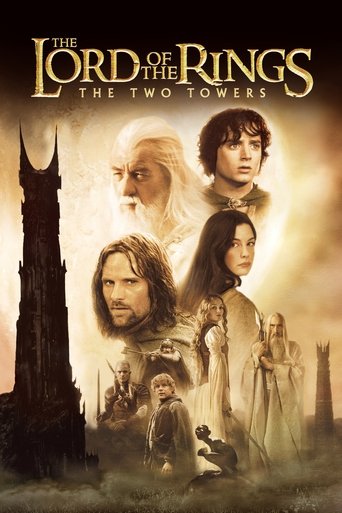
Peter Jackson's six Middle-earth films are here too. The Lord of the Rings: The Fellowship of the Ring, The Lord of the Rings: The Two Towers and The Lord of the Rings: The Return of the King follow Frodo's quest to destroy the One Ring; the last won all eleven Academy Awards it was nominated for. The Hobbit: An Unexpected Journey, The Hobbit: The Desolation of Smaug and The Hobbit: The Battle of the Five Armies tell the earlier adventure of Bilbo Baggins and a band of dwarves.
Captain Jack Sparrow's adventures run from Pirates of the Caribbean: The Curse of the Black Pearl through Pirates of the Caribbean: Dead Man's Chest and Pirates of the Caribbean: At World's End to Pirates of the Caribbean: On Stranger Tides. The first three form a trilogy with Orlando Bloom and Keira Knightley, full of cursed treasure, sea monsters and sword fights on spinning waterwheels.
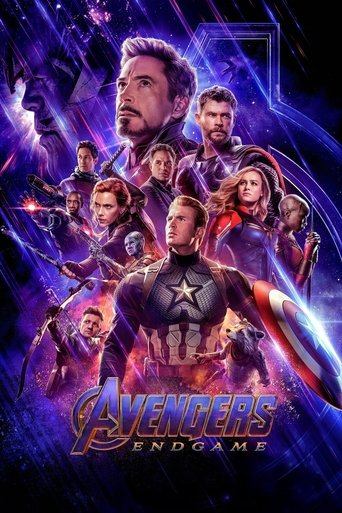
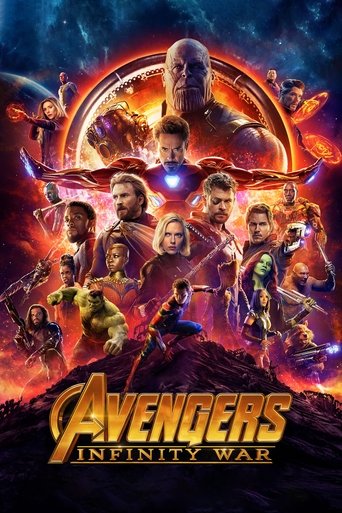
The Marvel Cinematic Universe began in this era. Iron Man made Robert Downey Jr. a star all over again, and The Incredible Hulk, Iron Man 2 and Thor built towards The Avengers. Iron Man 3, Thor: The Dark World, Avengers: Age of Ultron, Captain America: Civil War and Doctor Strange carried it forward, and the Releases shelf holds the grand finale, Avengers: Infinity War and Avengers: Endgame.
Outside the MCU, Sam Raimi's Spider-Man and Spider-Man 3, and Marc Webb's The Amazing Spider-Man and The Amazing Spider-Man 2, show two generations of the web-slinger. X-Men: Days of Future Past and X-Men: Apocalypse continue the mutant saga.
Christopher Nolan's Dark Knight trilogy, Batman Begins, The Dark Knight and The Dark Knight Rises, remains the high point of DC on film. Man of Steel and Batman v Superman: Dawn of Justice began a new, darker universe, and on the Releases shelf, The Batman offers a fresh detective story in Gotham.
The Hunger Games: Catching Fire, The Hunger Games: Mockingjay - Part 1 and The Hunger Games: Mockingjay - Part 2 follow Katniss Everdeen from the arena to the revolution. The Maze Runner and Twilight launched two more young-adult series, and The Chronicles of Narnia: The Lion, the Witch and the Wardrobe opened the wardrobe to C.S. Lewis's world. Terminator Genisys revisited a classic, and the Ice Age films, from Ice Age to Ice Age: Collision Course, kept families laughing across fourteen years.
The animation guide sums up the highlights. The years from 2000 to 2016 were a golden age for animated films, and the Animation shelf on Niter TV is one of its richest.
Pixar led the way. Monsters, Inc. imagined a factory that powers a city with children's screams, until a little girl slips through a closet door. Finding Nemo followed a clownfish father across the ocean to find his son. The Incredibles gave us a family of superheroes trying to live ordinary suburban lives, and Ratatouille a rat who dreams of cooking in Paris. WALL·E told a love story between two robots with barely a word of dialogue, and Up sent an old man and a boy scout to South America in a house carried by balloons. Toy Story 3, Inside Out, Cars, Cars 2 and The Good Dinosaur complete the Pixar shelf.
Disney Animation returned to form in these years with Tangled, Frozen, Big Hero 6 and Zootopia, and Lilo & Stitch remains one of its warmest films. DreamWorks answered with Shrek, Shrek the Third and Shrek Forever After, the Kung Fu Panda films, the How to Train Your Dragon films and The Croods, and Blue Sky kept the Ice Age herd on the move. Illumination introduced Gru and the Minions in Despicable Me and brought Dr. Seuss to life in The Lorax.
Stop-motion has its own corner: Corpse Bride, Tim Burton's gothic romance, and Coraline, the eerie tale of a girl who finds a second world behind a small door. Over the Hedge follows a band of animals discovering suburbia, and Monster House turns a neighbour's house into a very hungry monster.
The Family shelf gathers films the whole household can share, from animation to live-action adventure. For younger children, Finding Nemo, Monsters, Inc., Ice Age, Cars and Zootopia are ideal. From about eight, the early Harry Potter films, The Chronicles of Narnia: The Lion, the Witch and the Wardrobe, Charlie and the Chocolate Factory and Bridge to Terabithia, a moving story of friendship and imagination, are wonderful choices.
Older children and teenagers often move on to Real Steel, Big Hero 6, The Martian and the Pirates of the Caribbean films. Each film page shows the rating from the service that carries it in your country, which helps with the final choice.
The horror guide picks the scariest films on the shelf. The original Niter TV listed horror among its handful of main genres, and the era gave horror fans plenty to enjoy.
James Wan's haunted-house films lead the way. The Conjuring follows the paranormal investigators Ed and Lorraine Warren to a farmhouse in Rhode Island, and The Conjuring 2 takes them to London. Insidious, Insidious: Chapter 2 and Insidious: Chapter 3 explore a shadowy realm called the Further.
28 Days Later reinvented the zombie film with a lone survivor waking in an empty London, and World War Z took the outbreak global. Resident Evil and Resident Evil: Apocalypse brought the video game to the screen, and Van Helsing set the monster hunter against Dracula and the Wolf Man. Final Destination and Final Destination 3 turned everyday accidents into elaborate chain reactions.
For horror with a wink, Shaun of the Dead is a romantic comedy with zombies, and The Cabin in the Woods cleverly takes the whole genre apart. The Witch is a slow, eerie tale of a Puritan family in 1630s New England.
Science fiction thrived in these years. Inception, Interstellar, The Martian and Arrival are smart, spectacular and moving. Avatar took audiences to the jungles of Pandora in 3D, Pacific Rim pitted giant robots against sea monsters and I, Robot asked what happens when machines learn to think for themselves. The Matrix Reloaded continued the famous saga, and Terminator Genisys returned to the story of Sarah Connor.
The Fantasy shelf holds Middle-earth, Hogwarts and Narnia, along with Alice in Wonderland, Tim Burton's colourful return to Lewis Carroll's world, and Doctor Strange. Now You See Me brings stage magic and heists together.
The Comedy shelf includes Mean Girls, The Devil Wears Prada, The Proposal, White Chicks, Grown Ups and Grown Ups 2, along with the animated favourites. The Drama shelf holds the serious stories: The King's Speech, Whiplash, The Imitation Game, Hidden Figures, The Revenant, Fury, Kingdom of Heaven and La La Land.
The top-rated guide picks the films with the highest scores. The Top Rated shelf gathers every film with a score of 7.8 or higher and thousands of votes behind it, so it is a dependable place to start. The Dark Knight, The Lord of the Rings: The Return of the King, Inception and Interstellar sit near the top, with Whiplash, The Departed, The Prestige, WALL·E, Up and Inside Out close behind.
The recent releases guide introduces the newest shelf. The original site's Releases tab showed the newest films of its day, and on Niter TV today the Releases shelf does the same for the years since 2017, with the most popular recent films. Many of them continue stories that began in the Niter era.
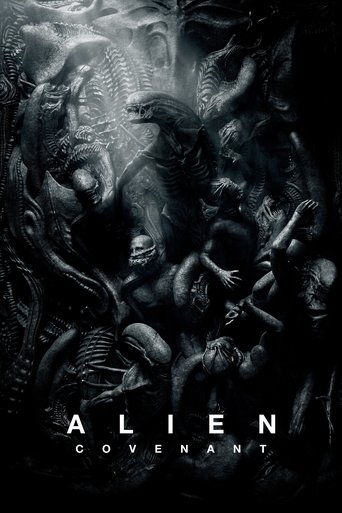
Avengers: Infinity War and Avengers: Endgame finish the Marvel saga that began with Iron Man. Avatar: The Way of Water returns to Pandora thirteen years after Avatar, and Inside Out 2 returns to Riley's mind as she becomes a teenager. Blade Runner 2049 and Alien: Covenant continue two classic science-fiction series.
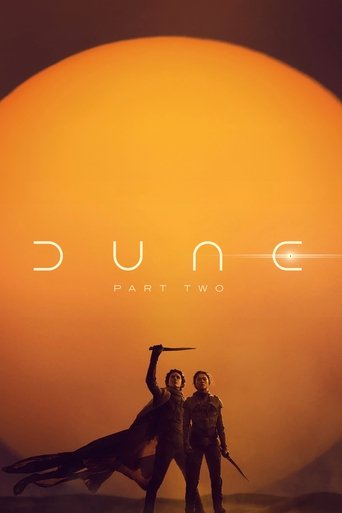
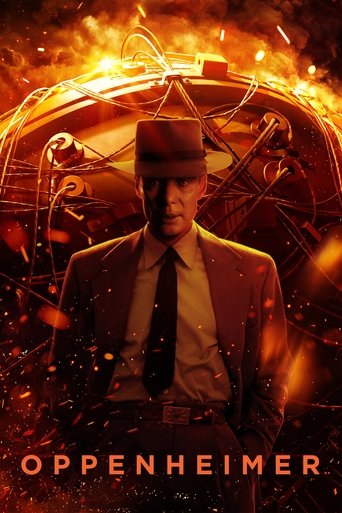
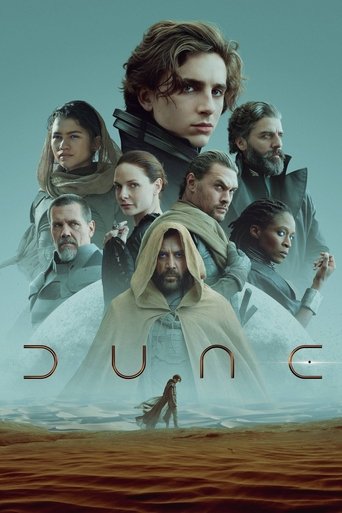
New stories fill the rest of the shelf. Dune and Dune: Part Two bring Frank Herbert's desert planet to vivid life, Oppenheimer tells the story of the atomic bomb, and Top Gun: Maverick returns Tom Cruise to the cockpit. The Wild Robot and Coco are two of the most beautiful animated films of recent years, Spider-Man: Across the Spider-Verse is a dazzling multiverse adventure, and Project Hail Mary is one of the big science-fiction films of 2026.
Every film on Niter TV opens on the official services that carry it, and the Watch now panel lists them for your country. Films from 2000 to 2016 move between services more often than new releases, so a single, current list for each film saves a lot of searching.
In the United States, Netflix, Prime Video, Disney+, HBO Max, Hulu, Paramount+ and Peacock each carry a share of the era's films. Disney, Pixar, Marvel and Lucasfilm titles live on Disney+; Warner Bros. titles, including the Harry Potter films and the Dark Knight trilogy, often sit on HBO Max; and nearly every film can be rented or bought on digital stores such as Apple TV, Prime Video, Google TV and Fandango at Home. In the United Kingdom, Canada, Australia and India the picture is similar, with Sky and NOW, Crave, Stan and Binge, and JioHotstar joining the global services.
The free movies page explains where to find free, legal films. The films of 2000 to 2016 are especially well served by free services with ads, such as Tubi, Pluto TV and The Roku Channel in the United States, and many public libraries lend films to stream through Kanopy or Hoopla with a library card. In the Watch now panel, free options are marked clearly for your country.
The other ways to find great films page lists official places to watch and discover films. For the films of this era, Blu-ray and 4K discs are worth a thought too: many come with commentaries, behind-the-scenes documentaries and extended editions, such as the longer cuts of The Lord of the Rings.
The apps and devices page covers every screen. The films of this era were made for big screens and big sound, so a television with a streaming stick or a games console is ideal: the official apps offer many of them in HD and 4K. On a phone or tablet, the service apps open straight from the Watch now panel, and on a computer every service plays in the browser.
Niter TV itself adapts to each screen. On a wide screen the backdrop fills the page and the tabs show six posters per row; on a tablet, four; on a phone, three or two, with the backdrop text on a dark band below the image.
The franchises of the Niter years are made for marathons. The eight Harry Potter films run to roughly twenty hours, so many fans spread them over a long weekend or a week of evenings, two films a night. The three Lord of the Rings films run to about nine hours in their cinema versions, a classic holiday project, and the Hobbit films add nearly eight more. The Dark Knight trilogy fits comfortably into a single Saturday.
The Marvel films can be watched in release order, starting with Iron Man, or in story order; release order is simplest and keeps the surprises in place. The Pirates of the Caribbean trilogy and the Hunger Games films each make a good three-evening run, and the Toy Story films pair wonderfully with a family weekend.
Add a whole series to My List before you start, and remove each film as you finish. The list keeps your place, and it is satisfying to watch it shrink.
For a science-fiction night, pair Inception with Arrival, or The Martian with Interstellar. For a family evening, try Finding Nemo then Up, or Frozen then Zootopia. For a night of laughs, Shaun of the Dead and Mean Girls make a surprising and happy double bill.
For an awards evening, the Best Picture winners of the era are a fine choice: Gladiator, The Lord of the Rings: The Return of the King, The Departed, No Country for Old Men and The King's Speech. For something eerie, start with Coraline and end with The Conjuring.
A handful of directors shaped these years, and following them through the catalogue is rewarding. Christopher Nolan made Batman Begins, The Prestige, The Dark Knight, Inception, The Dark Knight Rises and Interstellar, and later Oppenheimer. Peter Jackson made all six Middle-earth films. Pete Docter directed Monsters, Inc., Up and Inside Out, and Brad Bird directed The Incredibles and Ratatouille.
Ridley Scott directed Gladiator, Kingdom of Heaven, The Martian and Alien: Covenant. Denis Villeneuve made Arrival before Blade Runner 2049 and the Dune films, and Quentin Tarantino made Kill Bill: Vol. 1, Inglourious Basterds and Django Unchained. James Wan directed The Conjuring, The Conjuring 2 and Insidious.
My List keeps the films you want to watch, and the My List page explains how it works. Press Add to My List on any film page and the film joins your list at once. Open My List from the navbar to see your saved posters with their grey captions, and remove the ones you have watched.
My List lives in the browser that created it. To take it to another device, use Export, which saves a small file, and Import on the other device, which merges the file with the list already there.
Niter TV has one fixed address, shown in your browser's address bar, and the official Niter TV site page explains how to recognise it. Bookmark the home page or add it to your phone's home screen, and it opens with your country and My List ready.
The official site is easy to spot: a dark translucent navbar with a grey line beneath it, a full-width film backdrop with a large shadowed title and a Watch Movie Now! button, a strip of five posters with grey captions, serif tabs, a Latest News column and an In Theaters Now sidebar, with every section headed by uppercase letters between grey rules. Every Watch now button leads to JustWatch and official services, and look-alike pages give themselves away with pop-ups and download prompts.
The site status page explains how to check that Niter TV is working. Open the home page: when the backdrop and the five posters appear, everything is running. If a page is slow, reload it once, try a second browser or switch between Wi-Fi and mobile data. If a streaming service is slow, its own help or status page carries the latest news.
The staying safe while you watch page gathers a short checklist. Official apps and websites give the best picture and keep your devices safe, and Niter TV sends every film to official services through JustWatch. Protect your streaming accounts with strong passwords and two-step sign-in, keep your devices up to date, and install apps from the official app stores.
Niter TV keeps its footprint small. Your chosen country and My List live in your own browser and stay there. Titles, posters, backdrops, stories, cast lists and scores come from TMDB, The Movie Database, through its official interface, and the viewing options come from JustWatch when you press Watch now. The help pages and this guide are written for Niter TV, an independent site with its own writing.
Following an actor through the catalogue is a lovely way to explore these years. Leonardo DiCaprio moves from Catch Me If You Can to The Departed, Shutter Island, Inception, Django Unchained and The Revenant, the film that finally won him the Academy Award. Johnny Depp plays Captain Jack Sparrow across four Pirates of the Caribbean films and appears in Charlie and the Chocolate Factory, Corpse Bride and Alice in Wonderland.
Christian Bale leads the Dark Knight trilogy and stars in The Prestige, while Matt Damon anchors The Martian and Ocean's Eleven. Robert Downey Jr. carries the Iron Man films and the Avengers saga, Emma Watson, Daniel Radcliffe and Rupert Grint grow up before our eyes across the Harry Potter films, and Jennifer Lawrence leads the Hunger Games series. Tom Hanks and Tim Allen lend their voices to Woody and Buzz in Toy Story 3.
Many of these films are remembered as much for their music as their images. Hans Zimmer scored Gladiator, Pirates of the Caribbean: The Curse of the Black Pearl, The Dark Knight, Inception and Interstellar, whose organ theme has become one of the most recognisable pieces of modern film music. Howard Shore's music for The Lord of the Rings won three Academy Awards, and John Williams's Harry Potter theme opens the first three films of that series.
Michael Giacchino wrote the scores for The Incredibles, Ratatouille, Up, Inside Out and Doctor Strange, and the songs of Frozen and La La Land won Academy Awards of their own. Watching with good speakers or headphones makes a real difference for these films.
The years from 2000 to 2016 changed popular cinema. Digital effects reached the point where anything a writer could imagine could appear on screen, from Gollum to the waves of a distant planet. The great fantasy novels finally reached the cinema in full, the superhero film grew from a single hit into a connected universe, and computer animation matured from a novelty into an art form with Pixar at its peak.
Many of today's filmmakers and film lovers grew up on these films, which is why they remain so popular on streaming services and why their scores stay so high. Revisiting them is a pleasure, and discovering them for the first time, perhaps with children or friends who missed them, is even better. Niter TV is built to make both easy.
On a first visit, start with the backdrop and click through its five posters to meet the featured films. Then open the Most Popular tab for the films everyone knows, and the Top Rated tab for the ones critics and audiences agree on. Read a few items in the Latest News column to get a feel for each period, and open the shelf that tempts you most. Add three or four films to My List as you go, and choose one tonight.
If you grew up with these films, the year shelves are a gentle trip back: 2000-2004 for the first Harry Potter and Lord of the Rings films, 2005-2009 for The Dark Knight and WALL·E, 2010-2012 for Inception and The Avengers, 2013-2014 for Frozen and Interstellar, and 2015-2016 for Inside Out, The Martian and La La Land. Each one holds a small time capsule of cinema.
Every film carries a score out of ten from TMDB users, shown in its grey caption and on its film page with the number of votes. For the films of 2000 to 2016 those scores are very steady, often built on tens of thousands of votes collected over many years, so they are a reliable first guide. A film with a modest score can still be exactly right for a certain evening; a cheerful comedy or a monster film rarely needs a perfect score to do its job.
Official services carry subtitles for almost every film, usually in many languages, and audio description for many of the bigger titles. Several films of the era also exist in longer versions: The Lord of the Rings extended editions add nearly two hours across the trilogy, and some services and discs carry them. The service page for each film lists its versions, languages and picture quality, so you can choose the best way to watch before you press play.
The Niter TV catalogue follows the original site, which listed films only and organised them by year and by genre. Its core is the most popular films of 2000 to 2016, the years its Years menu covered, gathered period by period so that each part of the era is well represented. Animation and horror, two of the genres the site highlighted, get their own extra picks, and the Releases shelf adds the most popular films since 2017.
Every film is checked by hand before it joins a shelf. The catalogue is built for a broad audience, so crude adult comedies, erotic dramas and the most extreme horror are left out. The result is a catalogue full of blockbusters, animation, science fiction, family favourites and acclaimed dramas.
Niter appeared at niter.co around 2014 and by 2015 had become Niter TV, one of the better-looking film sites of its day. Its backdrop hero and poster strip borrowed the feel of a cinema lobby, its hover cards took their cue from the film catalogues of the big services, and its Latest News column mixed film news with the catalogue. The asbestos grey of its colour file gave it a cool, calm look that set it apart from the bright reds and greens of its neighbours. The domain later changed hands, and the design survives in the archive.
This version keeps that design and its focus on the films of the 2000s and 2010s, and pairs them with official viewing: every film now leads to the services that carry it in the viewer's own country.
Niter TV lists the most popular films of 2000 to 2016 by year and genre, with top-rated classics, animation, horror and recent releases, each with a Watch now button that opens it on the official services in your country.
Open the film page, press Watch now, choose your country and pick a service on JustWatch. The film plays in that service's app or website.
Click one of the five posters under the backdrop to bring that film to the front, with its title, plot and Watch Movie Now! button.
Niter TV lists films, as the original site did, organised by year and by genre.
The shelves cover 2000-2004, 2005-2009, 2010-2012, 2013-2014 and 2015-2016, and the Releases shelf covers 2017 to today.
The Watch now panel covers the United States, the United Kingdom, Canada, Australia, India, Ireland, New Zealand, South Africa, the Philippines, Germany, the Netherlands, Sweden, France, Spain and Brazil.
Free services with ads and public library services carry many films of this era. The Watch now panel marks the free options for your country.
Press Add to My List on any film page. The list lives in your browser, and Export and Import move it to another device.
Titles, posters, stories, cast and scores come from TMDB, and the viewing options come from JustWatch.
Look for the dark translucent navbar, the full-width film backdrop with a Watch Movie Now! button and the five captioned posters beneath it. Bookmark the home page to return quickly.
